From Dual Market to Multi-Market Good: Insights from Research on the Management of Science Journalism in Qatar
- IMMAA Communication
- May 3, 2026
- Research
- 0 Comments
Professors Gregory Ferrell Lowe and Anto Mohsin apply the Hierarchy of Influences model proposed by Pamela Shoemaker and Steven Reese in an insightful analysis of editorial decision-making
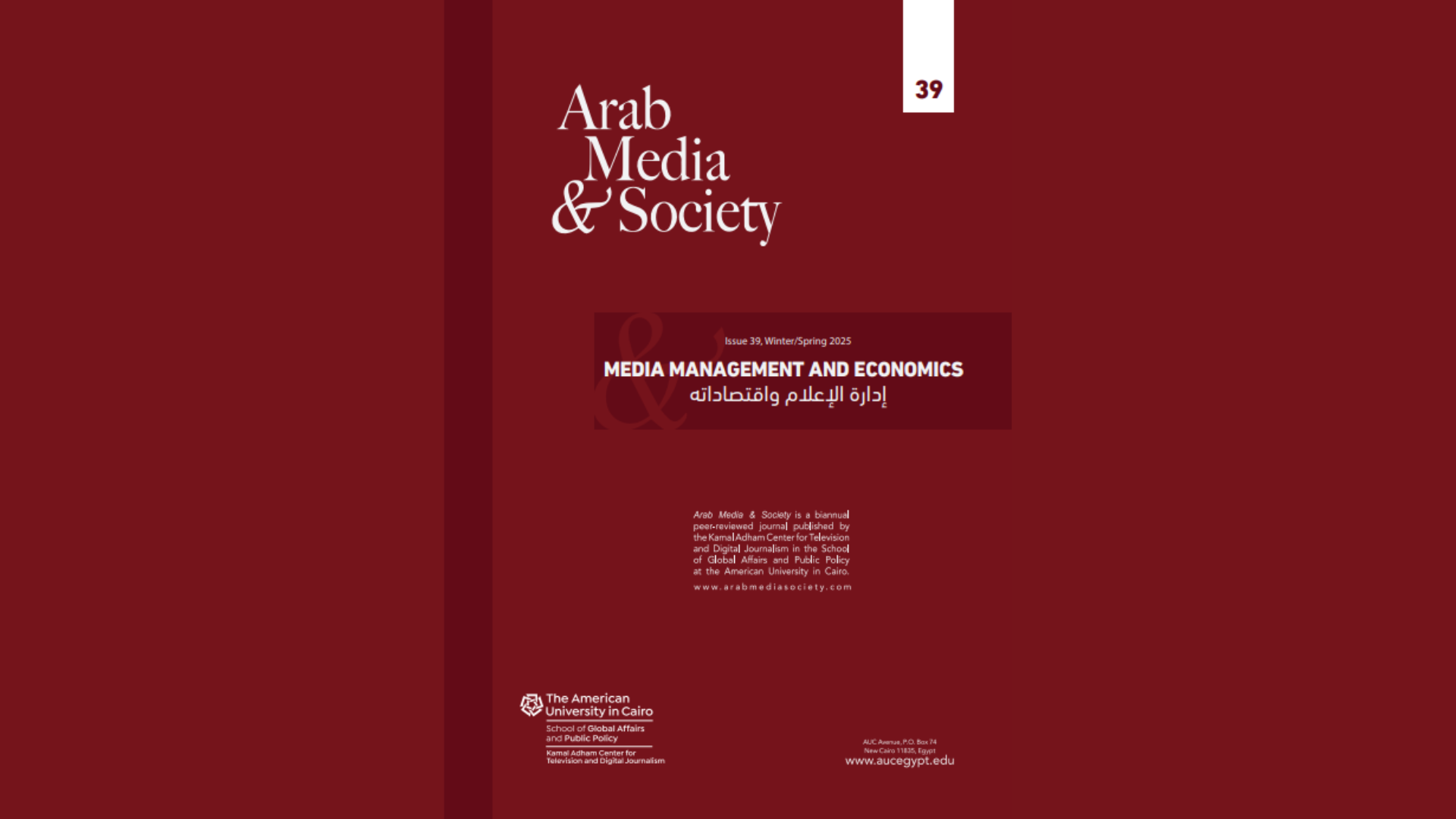
IMMAA President Gregory Ferrell Lowe and Dr. Anto Mohsin, Professors at Northwestern University in Qatar, recently published a study investigating editorial culture in Qatar in the journal Arab Media & Society. The study researched the production of science journalism in the Gulf state. While the project has broader aspects, the research team interviews 15 Qatar-based journalists and editors to understand the political and economic dynamics affecting the management of newsrooms in Doha. The analysis highlights the complexity of interactions between the five levels in the HoI model, from individual agency to organizational routines, to the broad social system context.
Their paper, titled “Managerial and Economic Factors Affecting Science Journalism in Qatar: Applying the Hierarchy of Influences Model,” is a featured contribution to the journal’s Winter/Spring 2025 special issue (#39) on media management. The publication finalizes work presented in the 2025 IMMAA conference, organized and hosted by the American University of Cairo.
The research identifies influential dynamics affecting science journalism practices in Qatar that align with findings from research on the topic in other parts of the Global South, especially. The authors identified important distinctions, as well. Qatar is a small, wealthy state that invests significantly in research and development as a key aspect of the National Vision 2030 policy. Despite the acknowledged importance of scientific research for Qatar’s future, the journalists and editors indicated low prioritization of news about this due to a perceived lack of popular interest. The practice of publishing news releases from official sources was found to be a common routine, but with a nuanced rationale among the editors, especially. Qatar is framed as a hybrid regime with a blend of autocracy as an absolute monarchy and democracy in some features of political and social life.
One theoretical contribution that emerges from the study is the authors’ proposal to reconceptualize media products as “multimarket goods” rather than the traditional “dual market” understanding. This proposal is based on findings that demonstrate the need for editors and journalists to balance the interests not only of audiences and advertisers in commercial media firms, but also authorities as a third influential stakeholder. This tripartite framework arguably applies far more broadly than to the studied case because, as the HoI model suggests, broad political and economic contextual factors play decisive roles in determining how media organizations are managed to maintain political and popular legitimacy as well as economic viability at the intersection of corresponding and contradictory interests. The importance of variable stakeholder interests was found to be a key explanatory factor in strategic decision-making. This understanding extends the HoI model by incorporating a focal interest in management culture rooted in the field of media management and economics.
Read the full paper here: http://doi.org/10.70090/AMS.39gflam
Related Posts