Global Voices at WMEMC 2025: Reflections from Warsaw
- IMMAA Communication
- October 1, 2025
- Newsletter
- 0 Comments
Insights from Gillian Doyle and Anna Jupowicz-Ginalska on key takeaways from the World Media Economics and Management Conference (WMEMC), held in Poland in May 2025
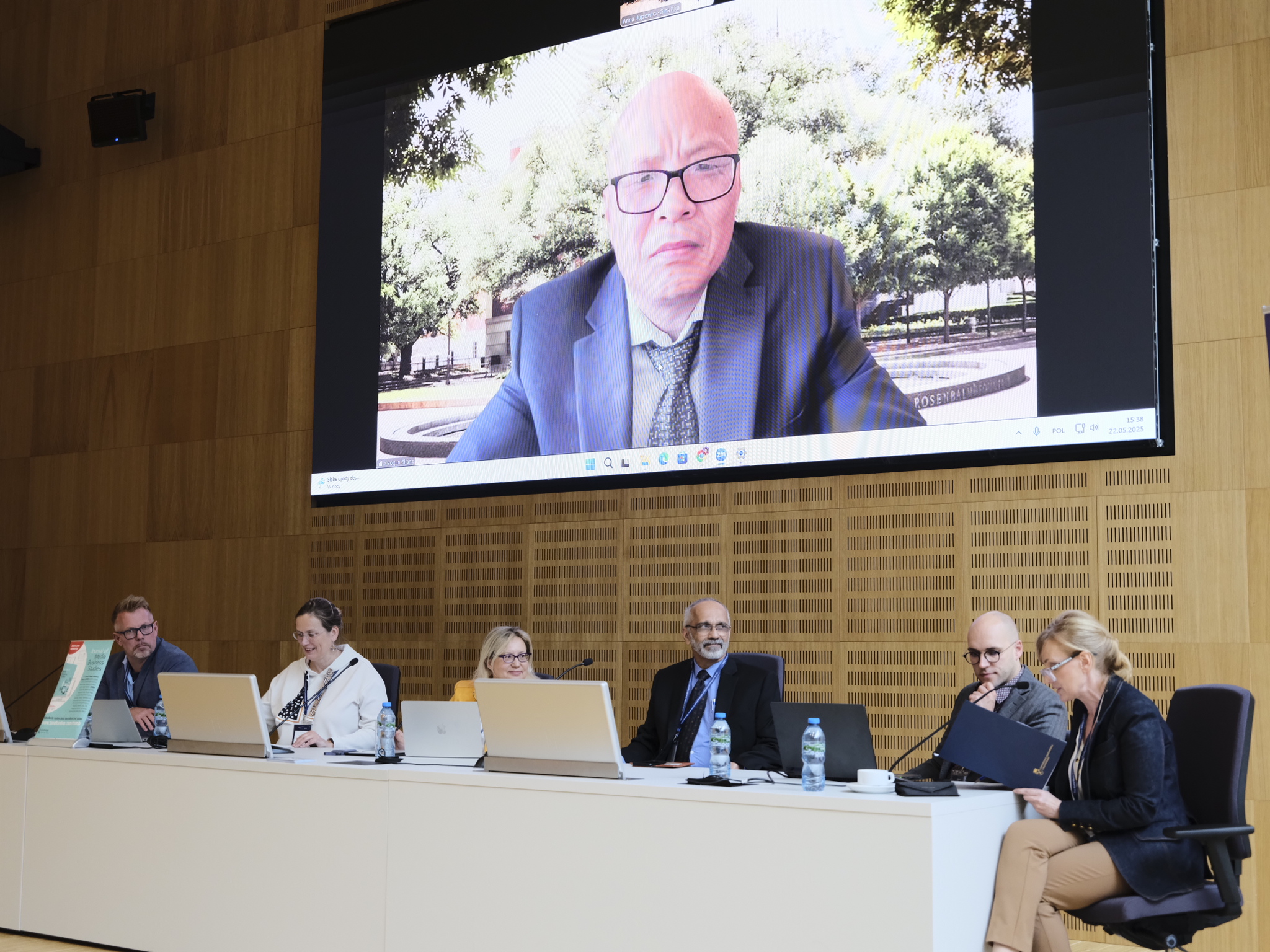
The 2025 World Media Economics and Management Conference (WMEMC) convened in Warsaw, Poland, in May and brought together media researchers and professionals from around the world to present research, exchange ideas, and discuss pressing challenges facing the global media industry. WMEMC President Gillian Doyle and principle conference organizer Anna Jupowicz-Ginalska provided an overview and summary for the IMMAA Newsletter. To view the photo album from the conference, please visit this page.
Gillian Doyle
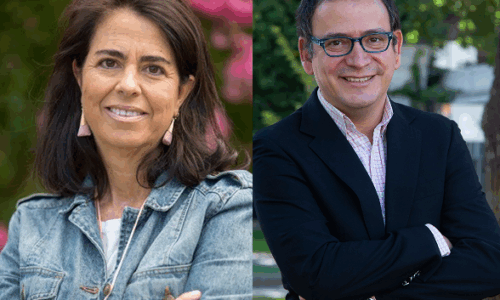
Professor of Media Economics at the University of Glasgow and Principal Investigator for the ESRC-funded “PSM and the Digital Challenge: Purpose, Value and Funding” project, President of WMEMC 2023-25.
The 16th World Media Economics and Management Conference in May 2025, hosted in the vibrant and beautiful city of Warsaw by Anna Jupowicz-Ginalska and her brilliant team at the Faculty of Journalism, Information and Book Studies, was an incredible gathering of minds from across academia, industry, and policy. Turbulence featured in the conference theme, and our focus was on a media industry in flux.
We delved into topics ranging from the economic implications of digitalisation and platformisation, to opportunities presented by generative AI; to challenges facing Public Service Media, journalism and news production; digital transformations in film industries; to data analytics and algorithmic transparency; ownership and power structures; and changing audience behaviours.
One of the key themes was how media organisations can navigate emergent challenges while ensuring sustainability and public trust. Another theme that stood out, for me at least, is the tension, which is endemic to our fields, between what we might think of as ‘value’ in an economic sense and ‘values’ in the ethical sense.
Yes, we are sharply focused on innovation, efficiency, creativity, monetisation, and the business implications of digital transformation – but we’re also deeply mindful of the societal roles and responsibilities of media in informing, connecting, empowering, shaping public discourse, culture, and democracy.
Another key takeaway is that, in our fields, collaboration between academics and industry is not just beneficial—it’s essential! So, as we look ahead, let the ideas, collaborations, and conversations continue to flourish within and across the field.
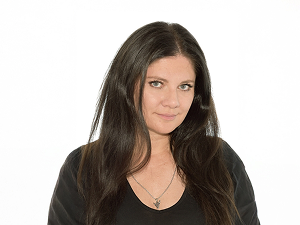
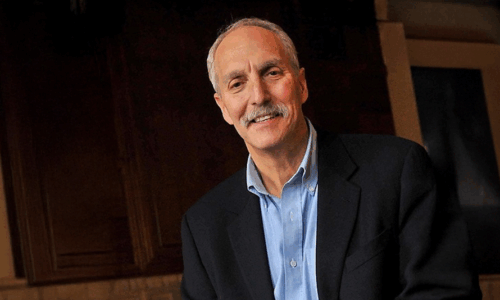
Anna Jupowicz-Ginalska
Associate Professor at the Faculty of Journalism, Information and Book Studies, University of Warsaw, and Vice-President of the European Media Management Association, Leader of the WMEMC2025.
WMEMC 2025 in Warsaw was an exceptional event in many respects. We welcomed numerous participants from around the world, including representatives from academia, practitioners, business experts, and young researchers just beginning their professional paths. It is a tremendous satisfaction to witness such diverse perspectives come together in one place and to see how this diversity gives rise to genuine dialogue.
This year’s program was exceptionally rich, encompassing issues related to technological innovation, environmental and economic challenges, as well as social, cultural, and ethical topics. What I found particularly valuable was that we did not limit ourselves to presenting research results or theories, but also focused on practical implications and opportunities for collaboration. The discussions that began in the conference rooms often continued into the corridors – precisely where the most interesting ideas and partnerships are born.
Warsaw played a very special role in this event. From the very beginning, it was important to me that participants could truly experience the atmosphere of the city – a dynamic capital that is constantly developing while remaining faithful to its history and identity. That is why, in addition to the intensive academic program, we also created time for unique evening gatherings and more informal conversations in spaces that allowed our guests to feel the rhythm of Warsaw. I believe that the combination of conference content and the city’s experience made the event more complete and memorable.
Organising such a large conference is always a challenge. It takes hundreds of hours of preparation, discussions, decisions, and actions that are often invisible from the outside. It is crucial that every detail is refined and that the overall experience provides participants with a sense of professionalism and comfort. Yet even the best preparations would not have been enough without the trust placed in us by entrusting us with the organisation of WMEMC 2025. My team and I are deeply grateful for this trust (thank you, Prof. Gillian Doyle and Prof. Gregory Lowe!). The awareness of this responsibility accompanied us throughout the entire preparation process and motivated us to do everything possible to meet expectations.
Today, looking at the outcome, I feel above all joy and pride. The sight of full rooms, the energy of the debates, and the enthusiasm of the participants are the best confirmation that the entire team’s effort was worthwhile. WMEMC 2025 has become not only a conference but also a platform for exchanging ideas and building relationships that – I hope – will yield lasting benefits for a long time to come.
I would like to thank everyone who contributed to the success of this event – from the organising team, through partners and sponsors, to the participants whose presence and engagement gave real meaning to the whole endeavour.
The next WMEMC will convene in 2027 in Guadalajara, Mexico, at Universidad Panamericana. The conference website will open soon and can be accessed through the IMMAA website portal.
Related Posts